Why come back when
you’re not desperate?
What is Naukri?
Naukri.com is a major player in India's recruitment industry, connecting millions of job seekers with opportunities across every industry, from tech to healthcare.
It plays a crucial role in shaping India's job market, and has become a key touchpoint for almost anyone looking for work in the country.
Naukri is transitioning from just a job-seeking platform to a go-to destination for career growth.
The vision is a broader career ecosystem, where users can find jobs, upskill, and engage in career development activities, long after their immediate search is over.
Job search platform
Where people go to find their next role, then leave the moment they've found it.
Career building platform
Somewhere to grow, upskill and keep coming back to, well beyond the job hunt.
Naukri 360Naukri is already working towards this by introducing new initiatives like Naukri 360, where job seekers can actively enhance their careers.

But, where is the problem?
Behind the engagement numbers sat three specific, connected problems.
Transactional Motivation
Users tend to become inactive once they find a job, since their engagement is driven by immediate, short-term needs.
Low User Engagement
With a focus primarily on job listings, Naukri struggles to maintain engagement once that initial need is fulfilled.
New Initiatives Struggling
Despite launching new career-enhancement initiatives, low engagement across the ecosystem has limited their adoption.
How might we drive more user engagement and retention on Naukri, creating a system where jobseekers feel intrinsically motivated to perform career-enhancement activities through gamification? Gamifying these actions helps break the negative associations around them and nudges people to actually complete them.
from business povMore engaged jobseekers mean richer profiles, helping recruiters source, shortlist and hire the right candidates, while strengthening Naukri's database of active talent.
Build a convincing concept, not a full solution.
An ambitious brief with limited time and no strict product requirements. My role was to lay a strong foundation: a concept sharp enough to convince leadership and stakeholders of its potential.The timeline revolved around continuous stakeholder feedback and keeping the concept aligned with product and design goals, laying a strong foundation rather than rushing to ship.
Understand
Understanding the product, and mapping Naukri's user segmentation.
Discover
Literature review, competitive analysis, and research synthesis.
Iterate
Stakeholder feedback, concept and framework, and product-team alignment.
Design
Design and prototyping, then design and product handover.
The groundwork
With the problem framed around gamification, research split into two halves: first getting a solid grasp of Naukri's own ecosystem and its users, then studying how gamification actually works elsewhere.
the product ecosystemI engaged closely with team members who had a thorough understanding of the jobseeker side, to ensure I comprehended all the features and services Naukri offers.

This study gave me a solid grasp of product strategy, but it needed user perspective to be complete.
Instead of conducting new research, we utilised insights from previous studies paired with continuous stakeholder feedback, since they deeply understood user challenges and motivations.
user segmentationEvery Naukri user sits somewhere on a spectrum of intent. The first cut split them by how actively they're looking right now.

This shaped a strategy to engage all segments, keeping jobseekers connected even after their immediate need of getting a job is met.
The key takeaways surfaced three gaps that shaped what we looked for next.
Lack of personalised guidance
Users struggle to understand their weaknesses without clear, personalised guidance tailored to their career stage and experience level.
Limited upskilling resources
Existing learning offerings, especially for non-tech users, don't meet the diverse needs of jobseekers at various career stages.
Progress tracking & visibility
Users lack feedback mechanisms to track progress and showcase achievements, limiting how they stand out to recruiters beyond basic profile completion.
These takeaways informed our next steps in secondary research.
secondary researchWe explored how competitors and similar platforms tackled engagement and retention challenges using gamification.
The aim was to identify best practices and strategies for integrating gamification into Naukri's established platform: approaches that could resonate with its existing user base.
Means of achieving gamification
Coins, or virtual currency, boost engagement by rewarding specific actions. CRED, Duolingo and Fitbit use coins to motivate users, while Myntra Insider, Amazon and Flipkart offer coins for purchases, redeemable for discounts and perks, driving loyalty and retention.
Gratification with tangible progressPoints systems track user progress and reward specific actions. Duolingo, Fitbit and Waze use points to measure achievements, motivating users to stay active and engaged on the platform.
Metric for providing feedbackLevels help users visualise progress and motivate them toward the next stage by breaking larger goals into smaller, achievable milestones. Duolingo, Fitbit and Headspace use levels to encourage task completion and reinforce a sense of accomplishment.
Path to track progressLeaderboards rank users against peers, tapping into healthy competition. Fitness and learning apps use them to keep users consistently active and coming back.
Social competitionGating features, tips or rewards behind actions gives users a clear reason to keep engaging until they unlock the next thing.
Reward for progressTime-bound tasks and streaks create urgency and routine, nudging users to return daily or weekly to keep their momentum going.
Habit buildingAvatars and badges let users express identity and signal achievement, making progress visible and personal.
Identity & statusAchievements celebrate milestones with a moment of delight, reinforcing the behaviours you want users to repeat.
Positive reinforcementThis built a valuable repository of gamification strategies and industry best practices, which later guided our own concept and framework.
The turn
Is gamification the only way to boost engagement?
That's when we discovered the Octalysis Framework, which guided how we approached the problem.
Octalysis framework
Created by Yu-Kai Chou, Octalysis identifies eight core drives of motivation. It helps improve engagement and retention by designing experiences that tap into them.

White hat cores

Black hat cores
White Hat cores use positive motivators like achievement and meaning; Black Hat cores rely on fear and urgency. Neither is inherently good or bad; each balances the other.
Using this framework, I compared Naukri with its biggest competitor to find our shortcomings.

LinkedIn · balanced

Naukri · black-hat heavy
LinkedIn leaned on balanced drives and social influence, while Naukri relied heavily on Black Hat techniques.
Naukri's value proposition misaligns with user motivations: a Black Hat-focused product.
To fix it we'd need to shift towards White Hat drives, and consider strategies beyond just gamification. This was the turning point of the project.
Why would users choose Naukri for career growth over any other platform?
Transactional
Seek a job → come to Naukri → get the job → go inactive → return only when the need comes back.
Career-building
Build a profile → understand gaps → improve → get visible to recruiters → an enhanced profile that keeps getting them jobs.
Naukri's users have a transactional mindset, focused on finding a job for an immediate need. Turning it into a career-building platform meant cultivating intrinsic motivation, so users see the value of continuous career enhancement.
A rewarding, delightful experience matters as much as the mechanics.
The user study surfaced the motivators that make people stick to a platform, and made clear that delight is what drives the behavioural change needed to shift how users perceive and use the app.This became a journey of rediscovering the problem itself: digging deep to the root cause before moving to the solution.
Zooming out, here's how the story connects so far, before digging into the root cause.
Naukri trying to reposition in the market as a career-building platform.
Low user engagement and retention, despite new initiatives.
Gamifying career-enhancement actions could help solve it.
But is gamification the only way to approach this problem?
The Octalysis framework showed we needed to shift towards White Hat cores.
That requires a behavioural change: from job-seeking to career-building.
Why would users choose Naukri for career-building over anywhere else?
The user study found the motivators that make people stick to a platform.
A rewarding, delightful experience is needed to drive that behavioural change.
Which brings us back to the root cause.
Digging into that root cause meant the brief itself needed to change.
- How might we drive more user engagement and retention on Naukri, creating a system where users are intrinsically motivated to perform career-enhancement activities through gamification?
- Gamifying these actions would break the negative associations around them and motivate people to complete them.
- How can we build a lasting relationship where users prefer Naukri for anything career-related: a rewarding experience that gives value beyond job seeking?
- Gamification is one approach, but what other strategies could change how users perceive Naukri and build a strong emotional connection?
The response
Before designing, we spent about two weeks refining the gamification framework and aligning with everyone involved from the product and design teams.
working prototypeWith approval to move forward, the focus shifted to a working, clickable prototype for the final stakeholder presentation.
Naukri's USP is that job profiles stay private, so how do you gamify in public?
Any gamification layer had to work without exposing that data.
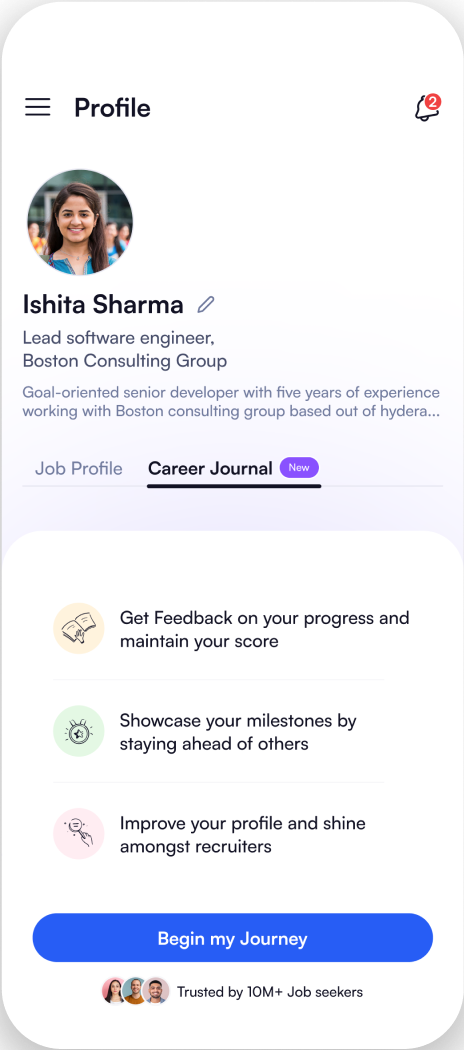
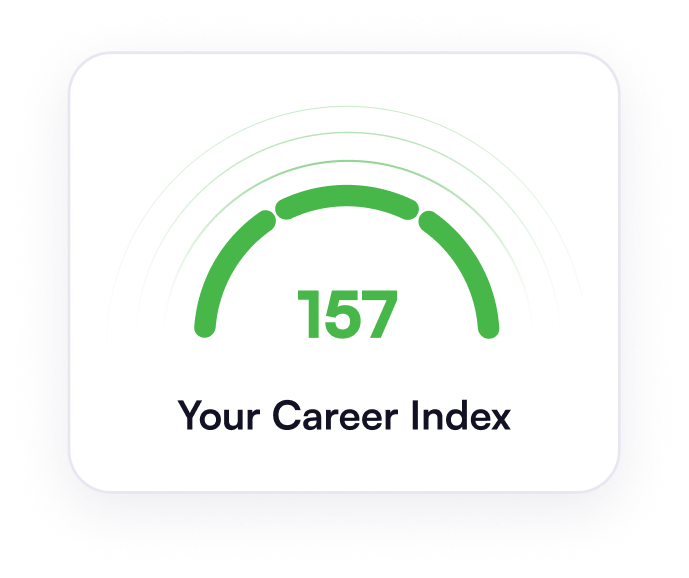
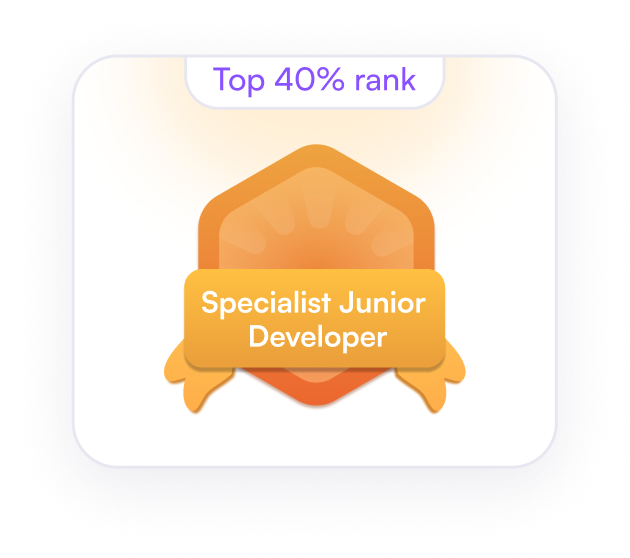
skipped on mobileThe Career Journal orbit is one screen with the index, rank, streak and badge cards floating around it. At phone width the cards land on top of each other and none of them stay readable. It is worth a look on a laptop.
private vs public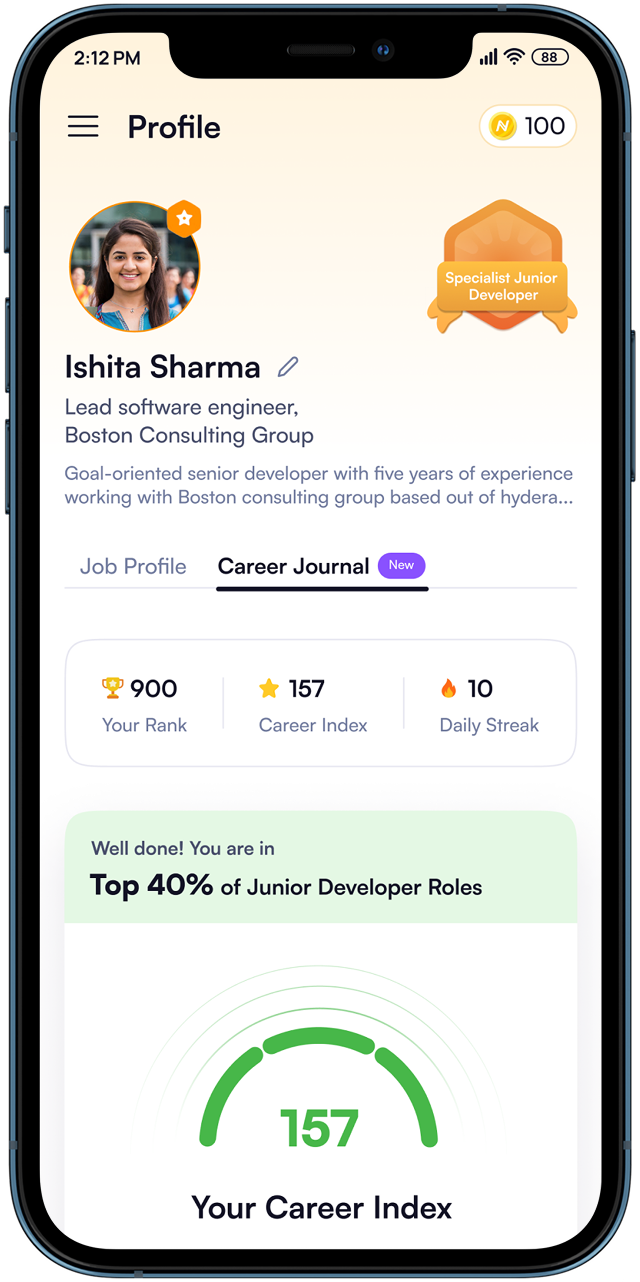
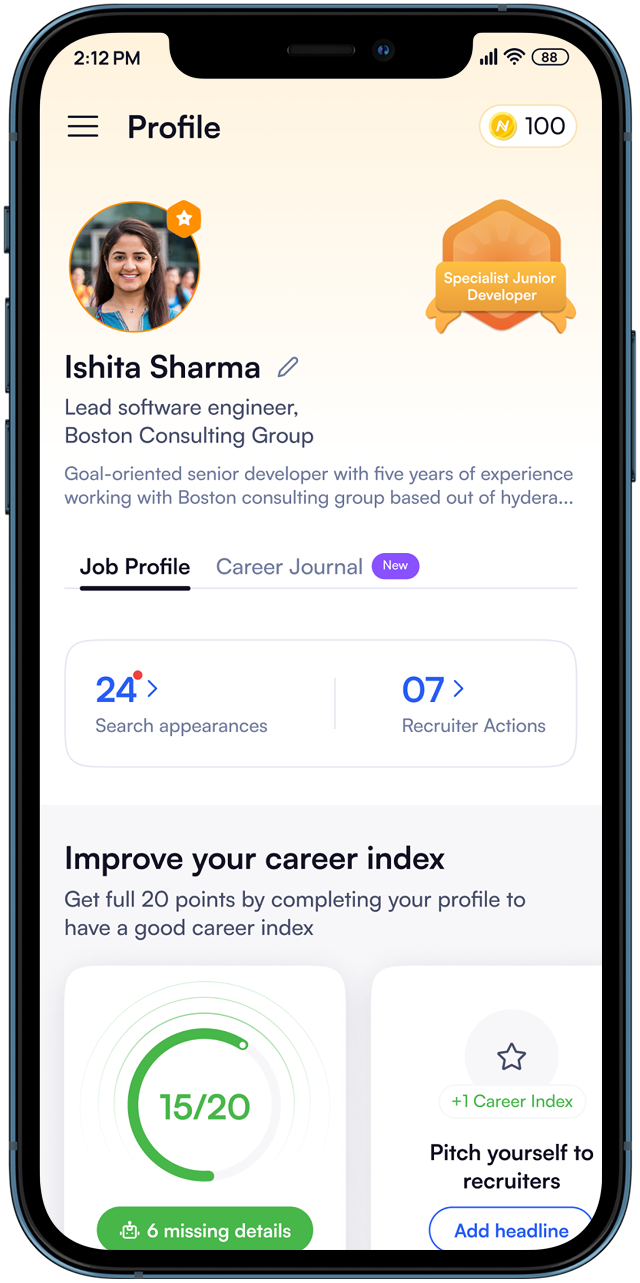
The public Career Journal tab carries the gamification, without compromising the profile's privacy.
public profileThe job profile remains private, so users don't have to worry about their details being exposed.
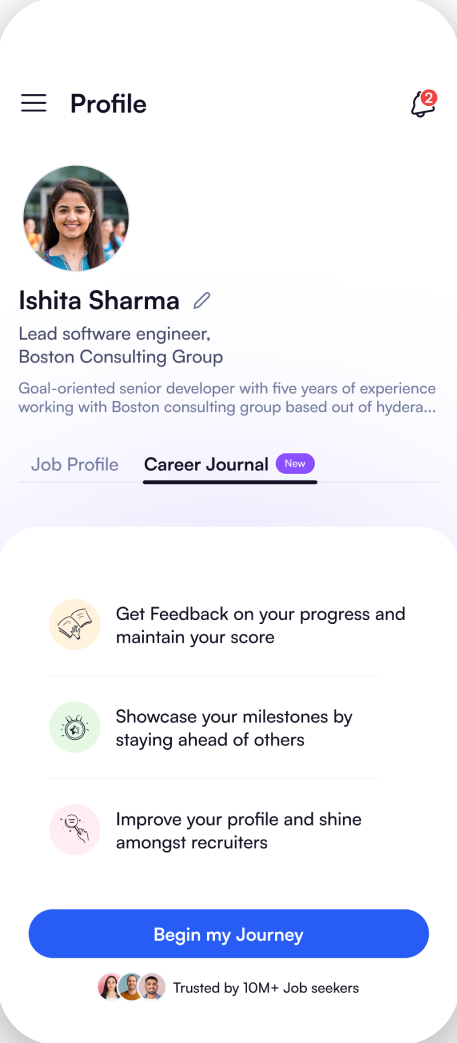
private profileFirst-time visitors need an easier way in.
onboardingTo make it approachable, a visually engaging onboarding introduces the concept gradually, one idea at a time.
Introduced first: it's the foundation of the whole experience.
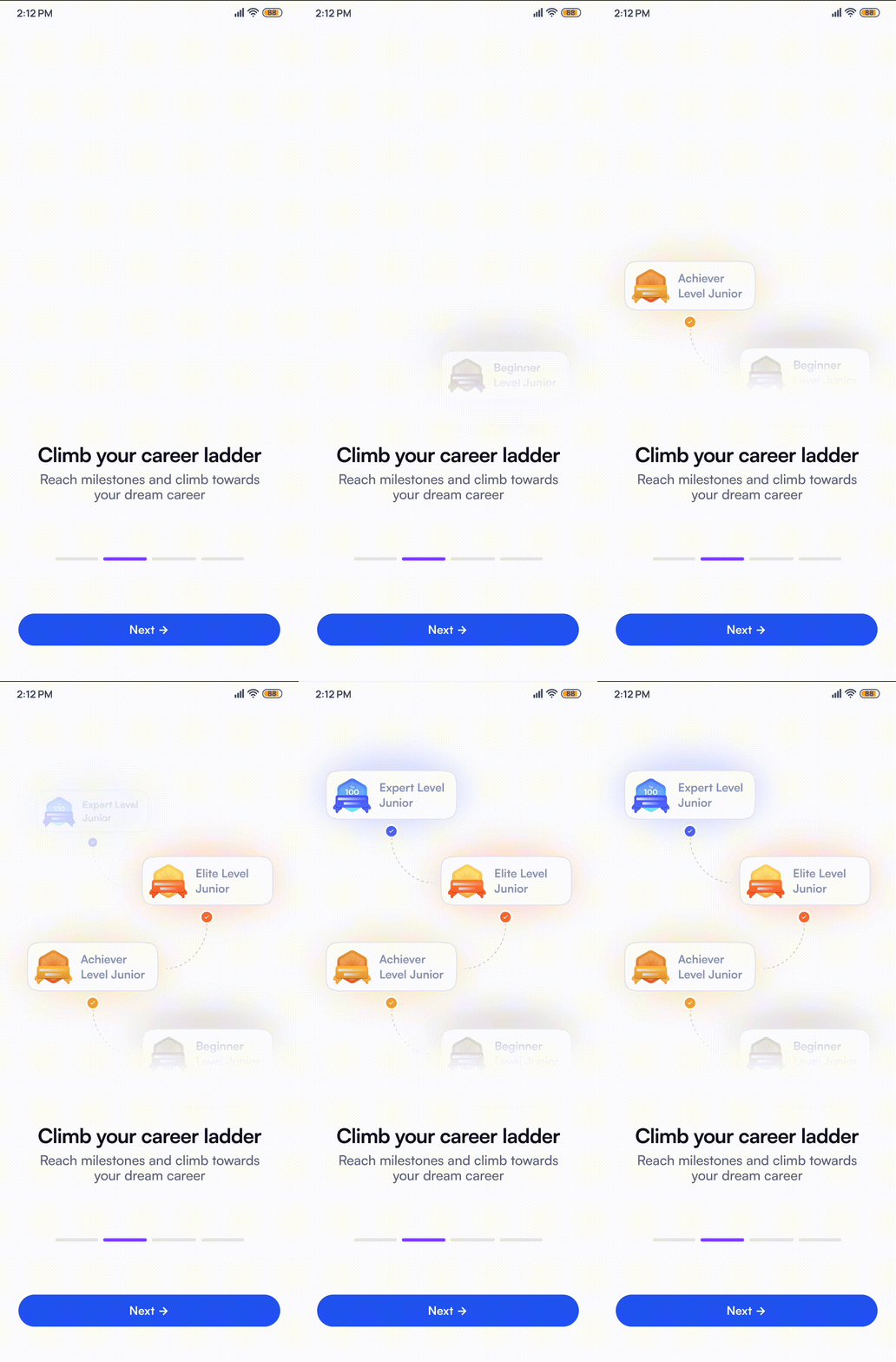
A glimpse of milestones adds structure and a path to follow.
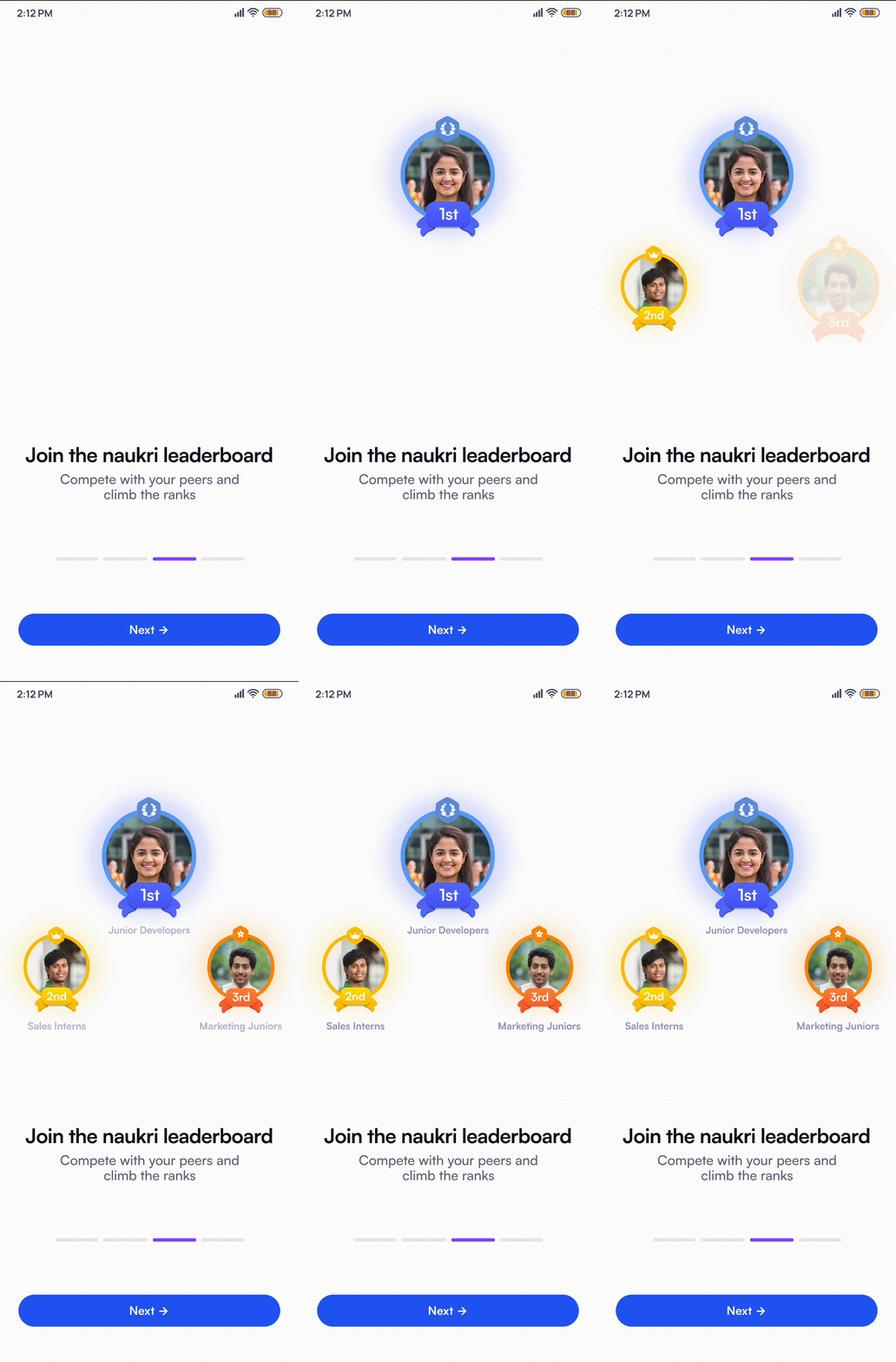
Competition and recognition spark curiosity from the start.
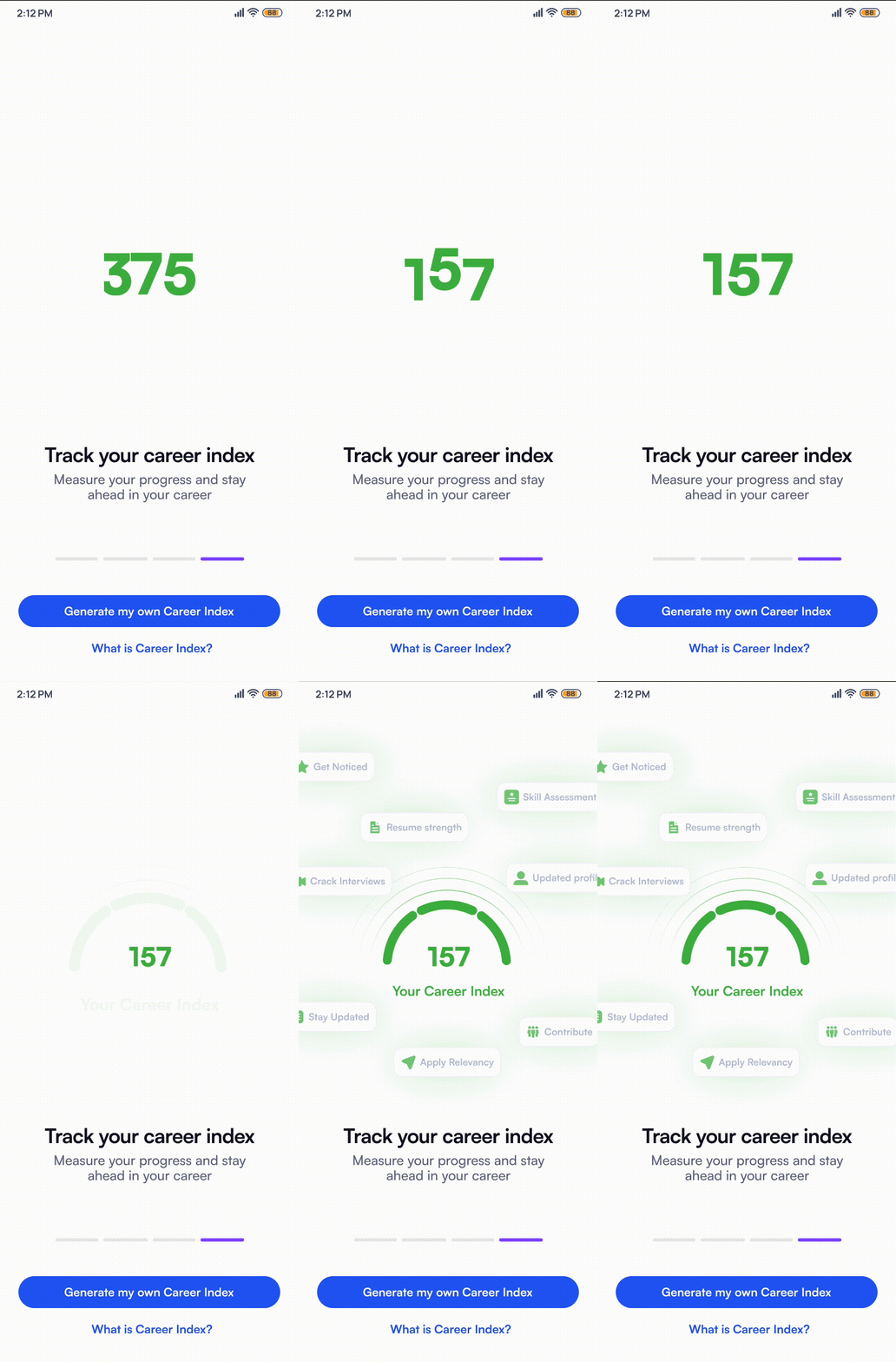
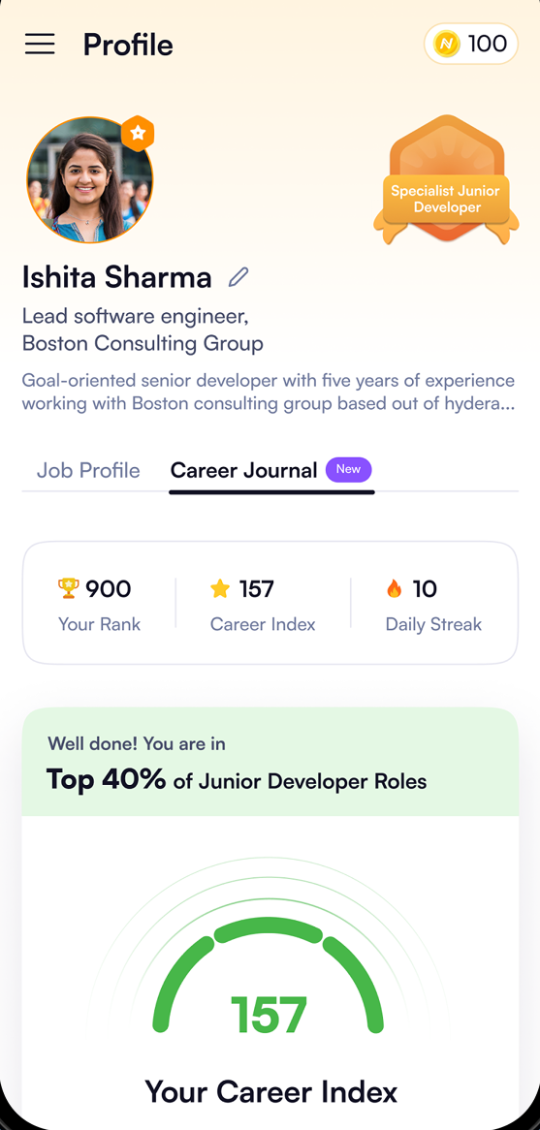
At the centre sits the Career Index: one score for how strong a jobseeker really is.
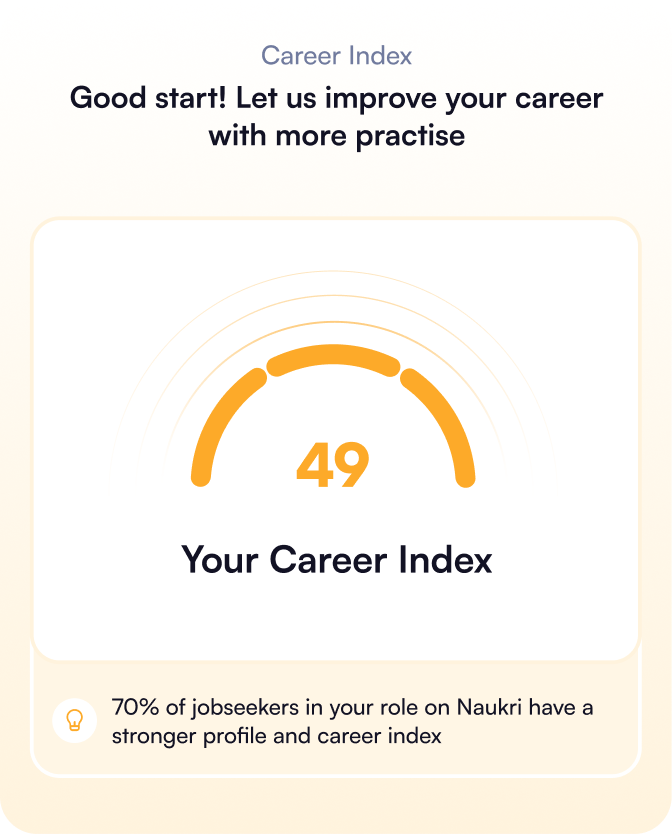
Career Index
A score reflecting competency as a jobseeker, earned through career-enhancement activities: profile, resume, interviews, applications and more. Bonus activities add temporary boosts to keep engagement alive.
Within the Career Index, we introduced Career Boosters: key career-enhancing activities that give users feedback on each area, while leaning on existing services to keep the framework scalable for future projects in the pipeline.
Interview capability
Ace your interviews
Give Mock InterviewsGet Noticed
Shine amongst others
View ResdexDon't settle for less
Get what you deserve
View Salary InsightsStaying Updated
Be up-to-date with trends
Maintain Reading StreakEnsuring users have an optimized profile to improve visibility and search results by giving a feedback.
Analyzing and optimizing resume content to enhance recruiter visibility, with improvement suggestions.
Completing a short mock interview to leave a positive impression along with tips for improvement.
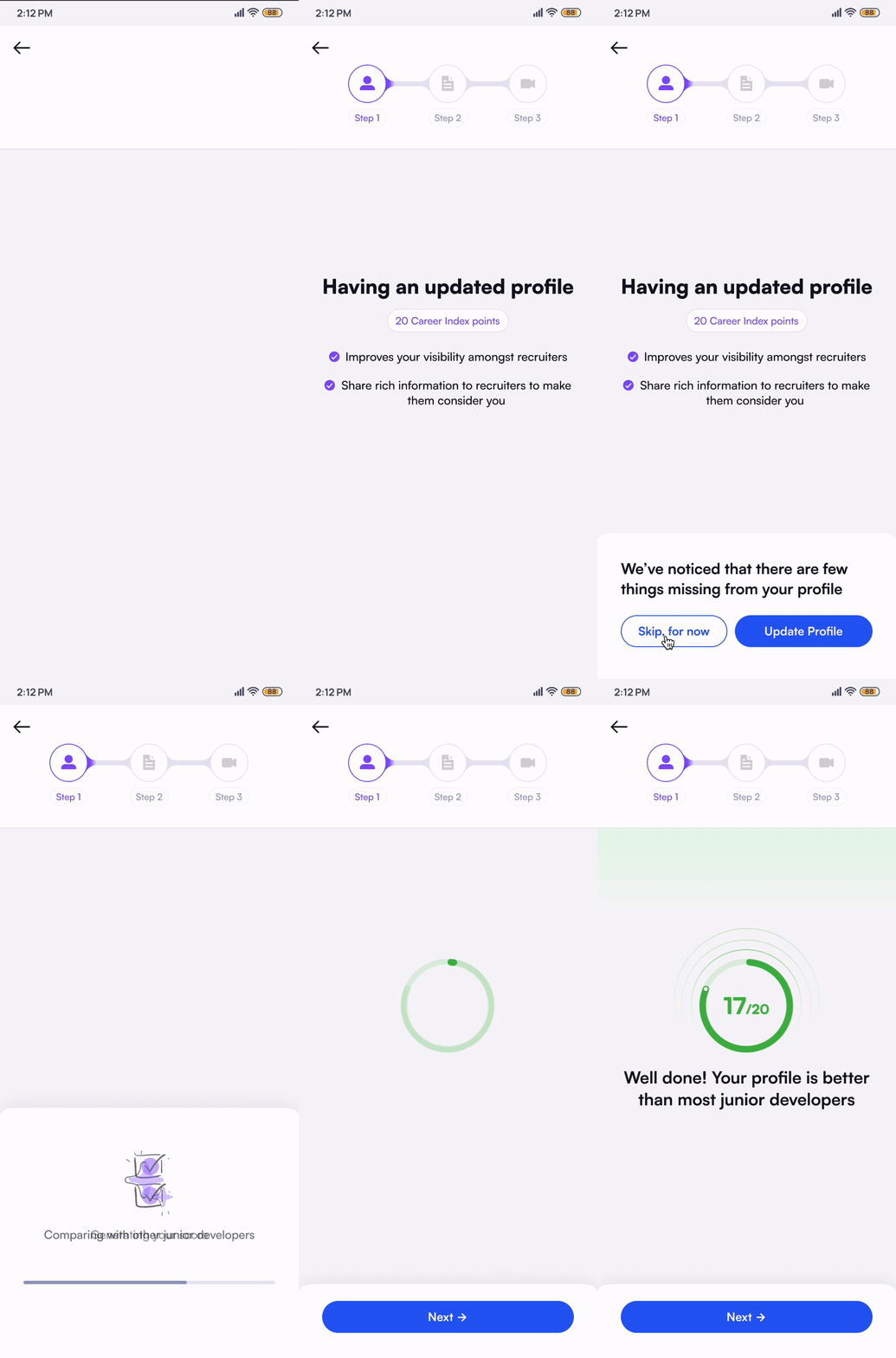
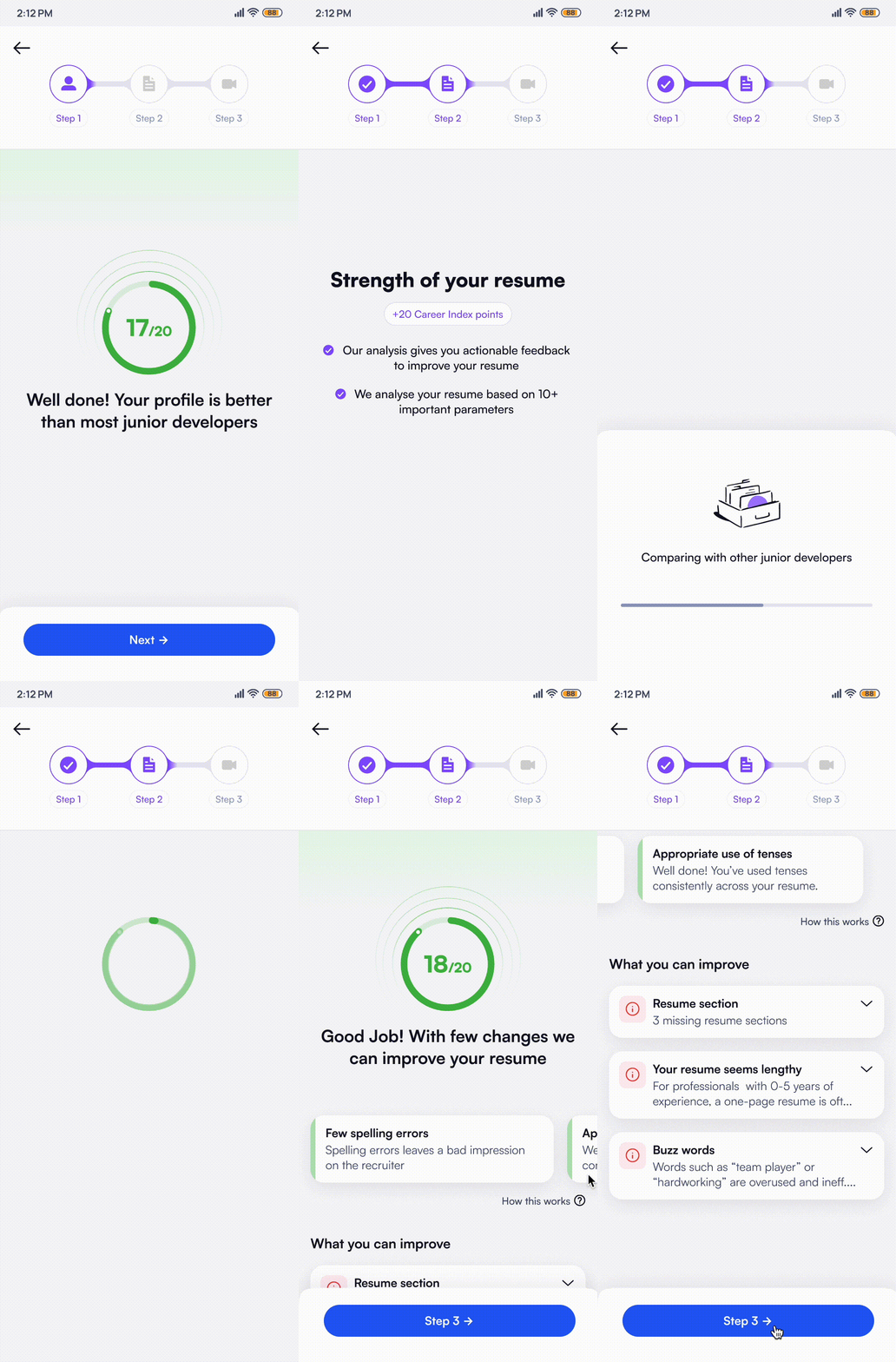

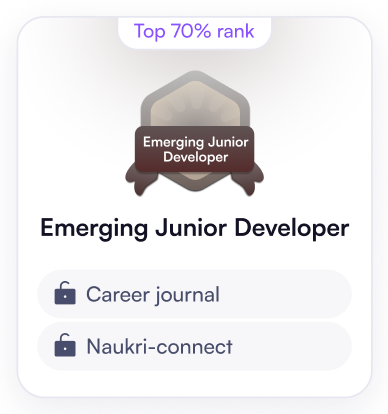
Milestones tied to the Career Index give the journey structure: a clear path to climb, level by level.
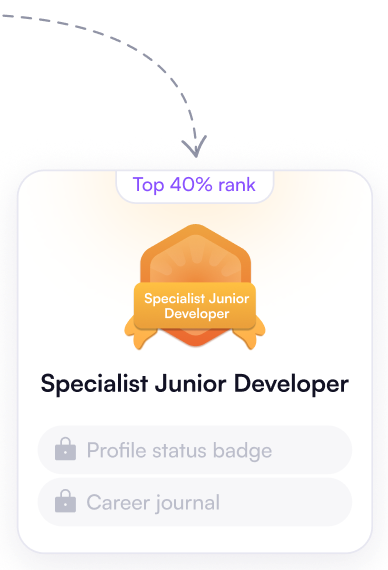
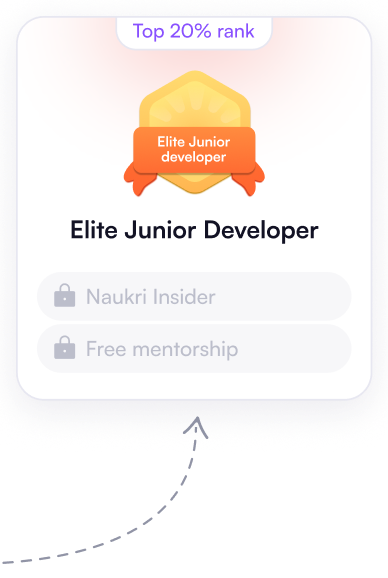
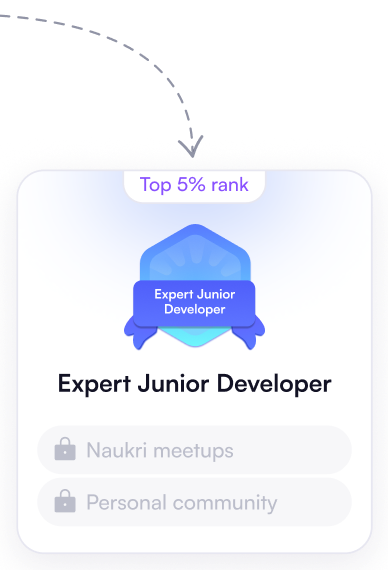
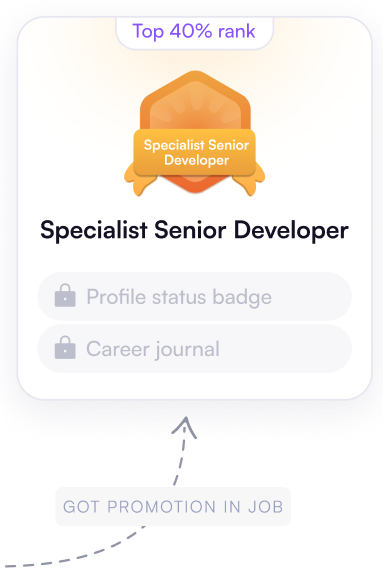
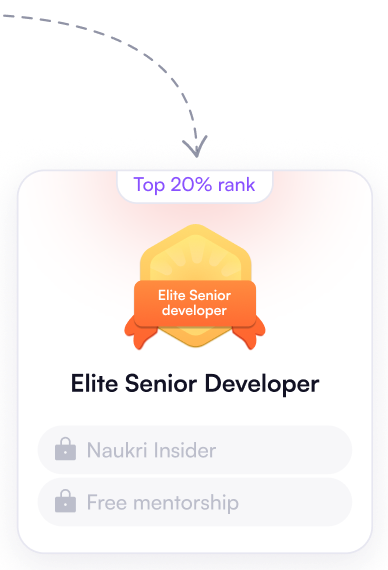
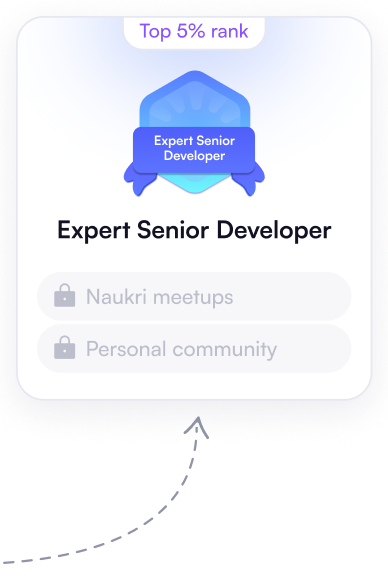
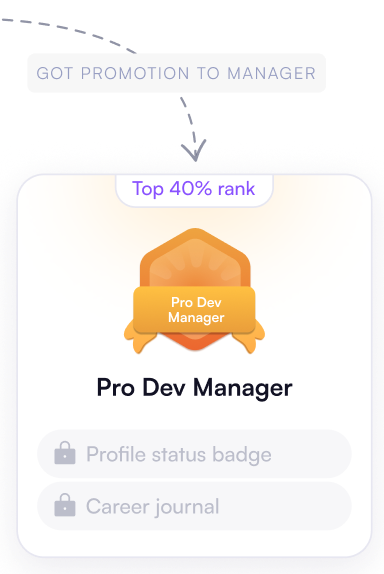
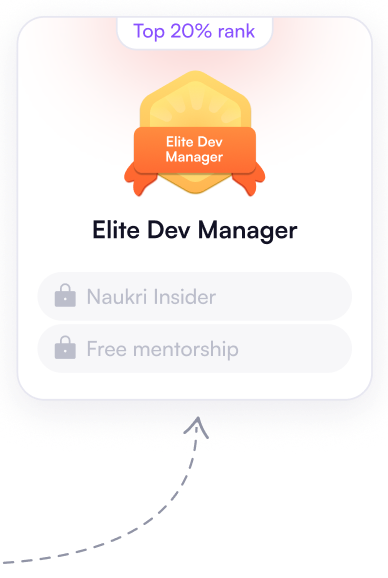
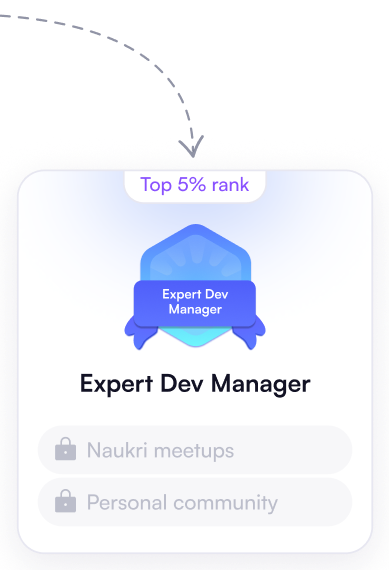
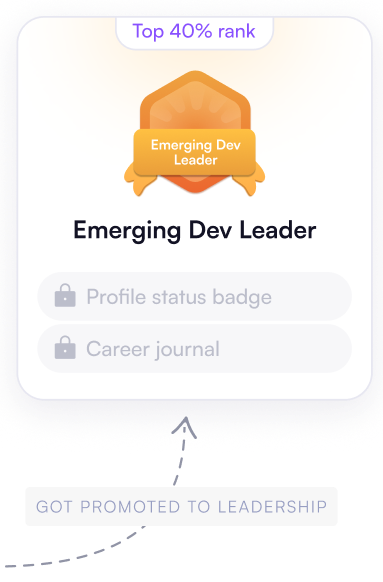
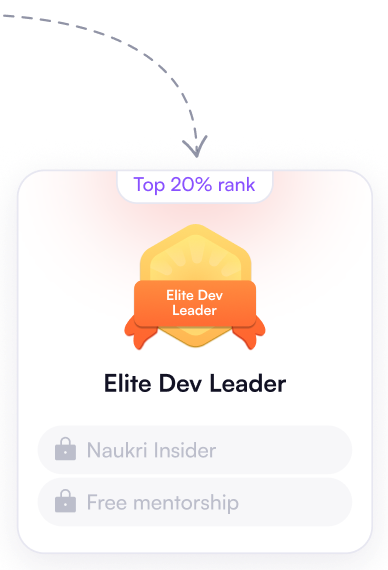
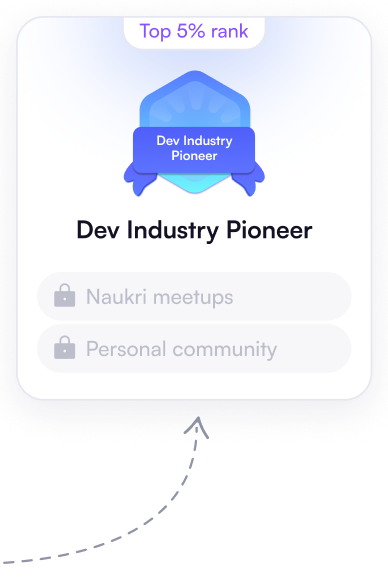
The Career Index then ties the rest of the ecosystem together: a reason to re-engage regularly.
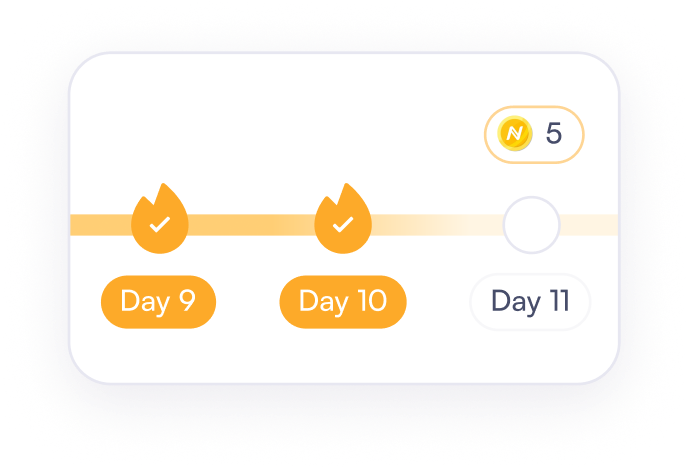
Daily streaks
A progress bar fills as users engage, with daily rewards to build a habit loop.
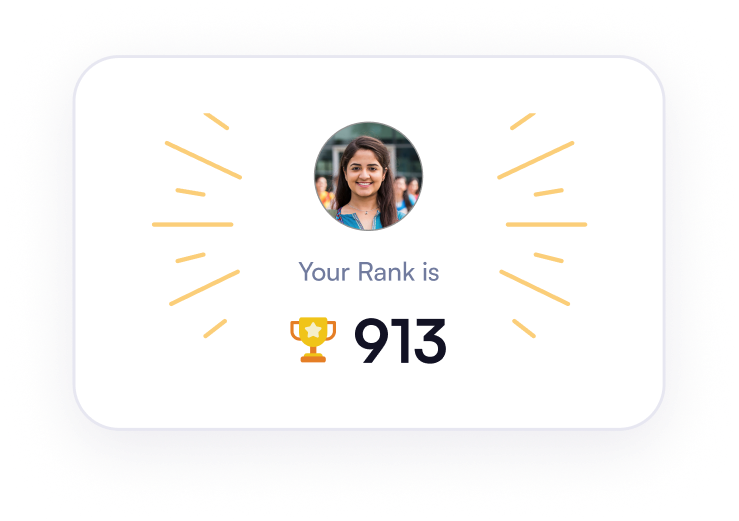
Leaderboard
Ranks users by Career Index, tapping into competition and recognition.
Rewards
A mystery box of resume templates, coupons and courses: a moment of delight.
Displaying milestones on their Naukri profiles highlights users' competency, making their profiles unique and helping them stand out to recruiters.
skipped on mobileFour profile screens fanned side by side, one per ladder level. Shrunk to a quarter of a phone each they read as four grey rectangles, so they sit this one out.
career journal walkthroughCareer journal page for an already-interacted user.
In our approach we had suggested to go beyond just job seeking and consider other strategies apart from gamification, if I remember correctly?
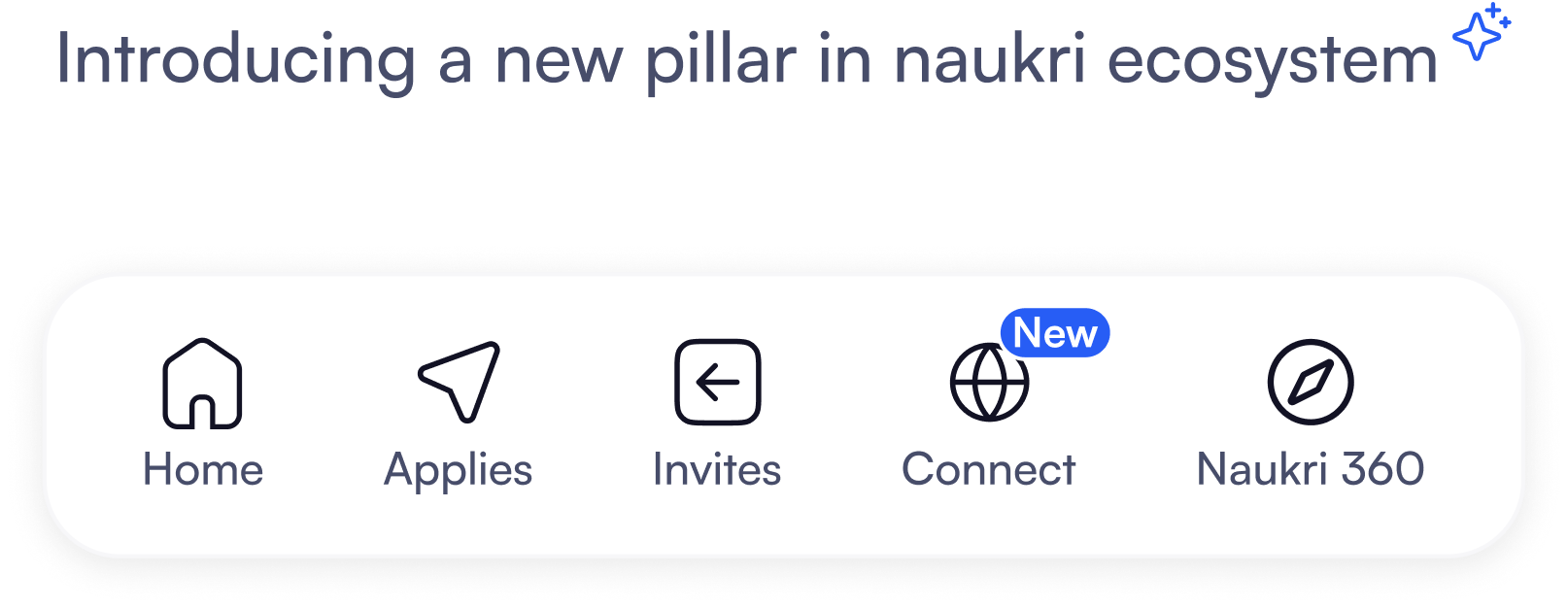
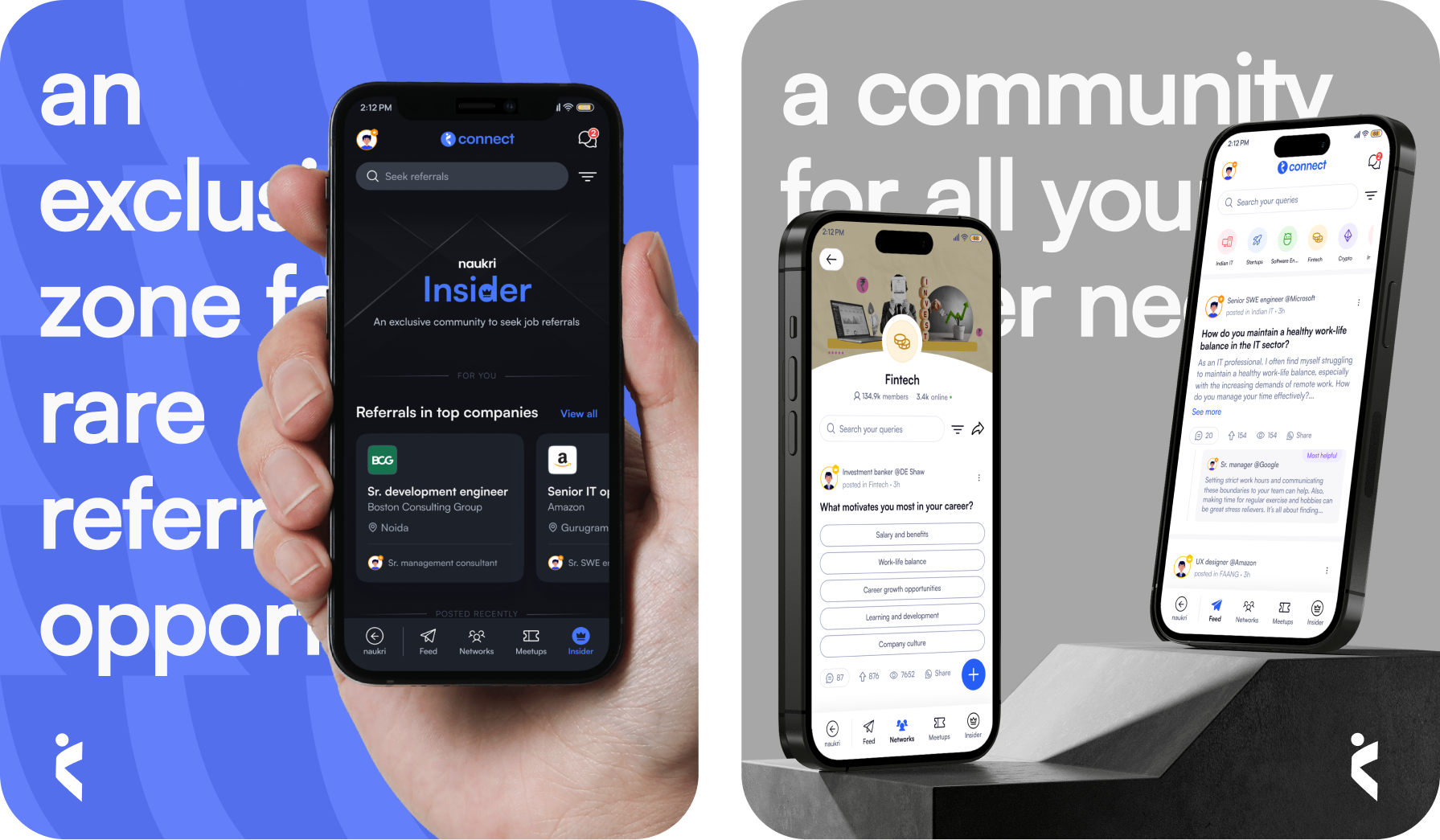
A second pillar in the Naukri ecosystem, alongside the gamified Career Journal.
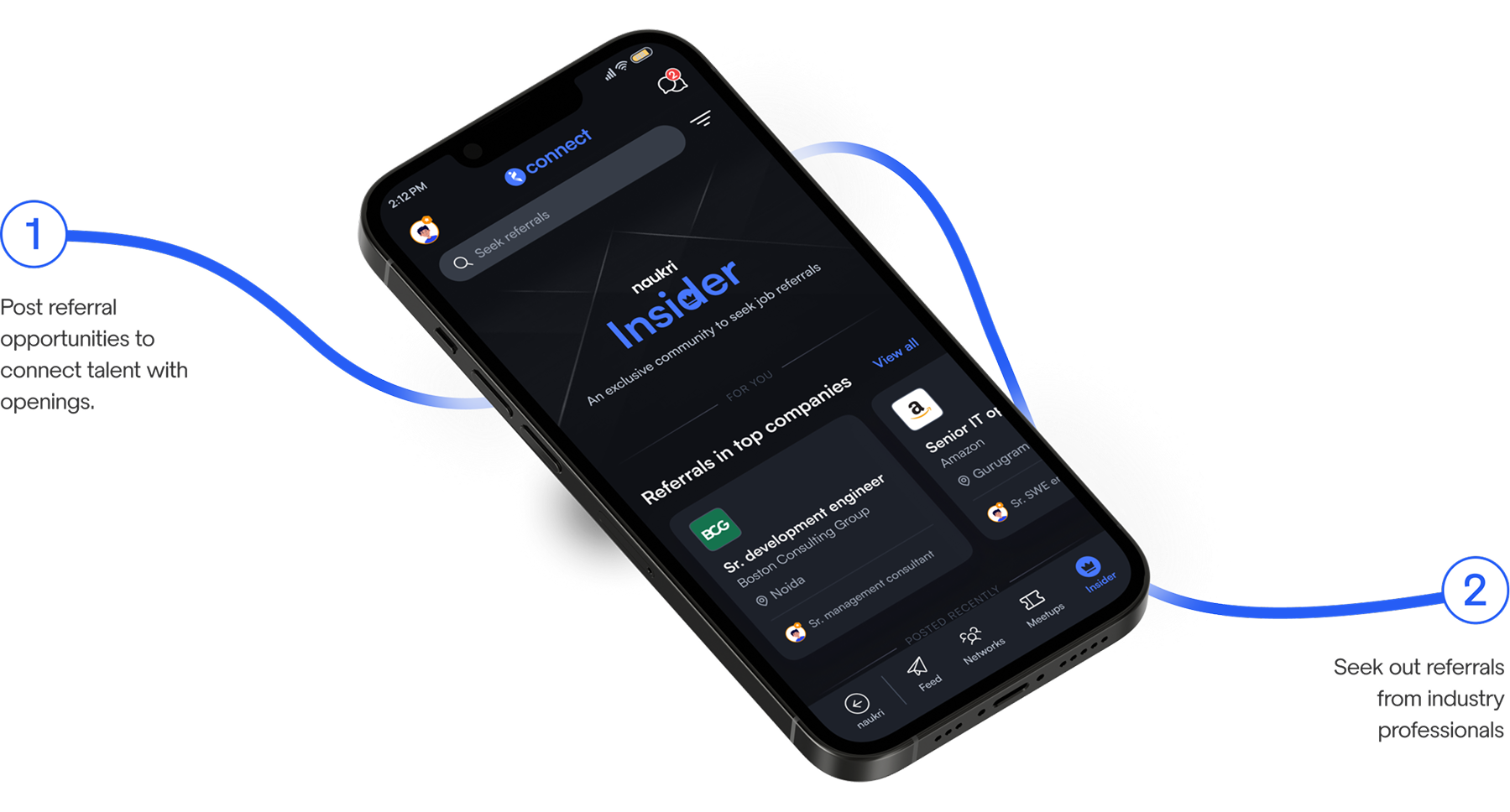
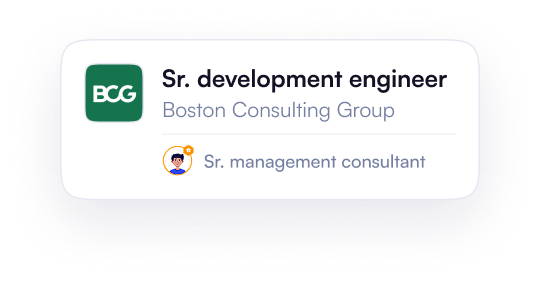
skipped on mobileThe Insider referral flow is one wide screen with two referral cards pulling out of it as you scroll. At 325px the whole thing is smaller than a thumbnail, so it waits for a bigger screen.
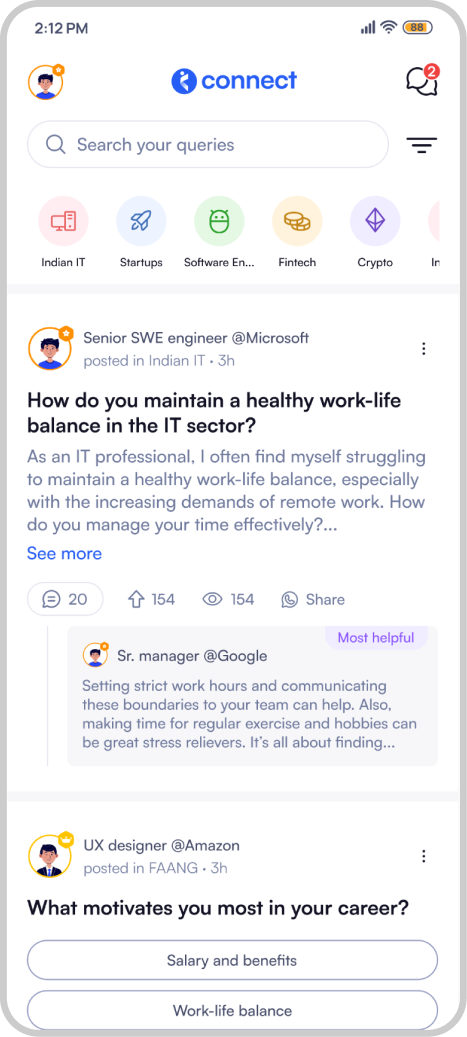
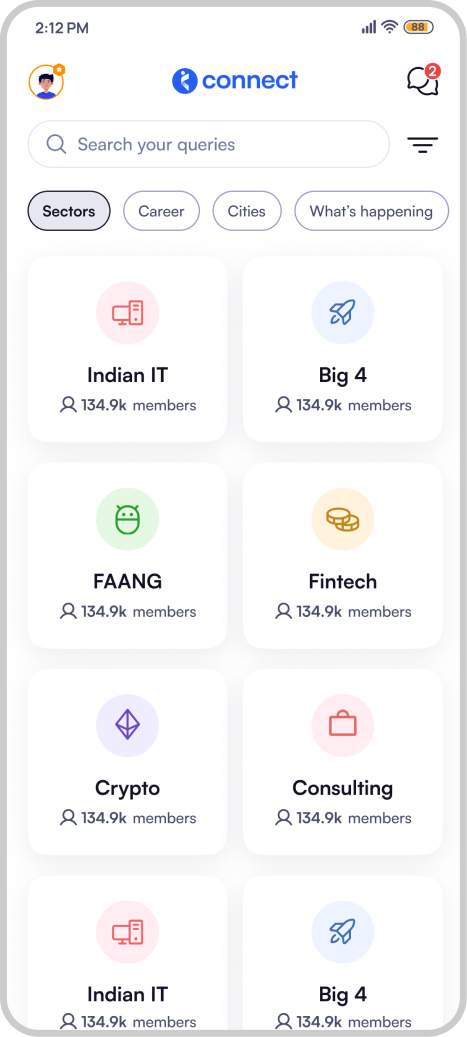
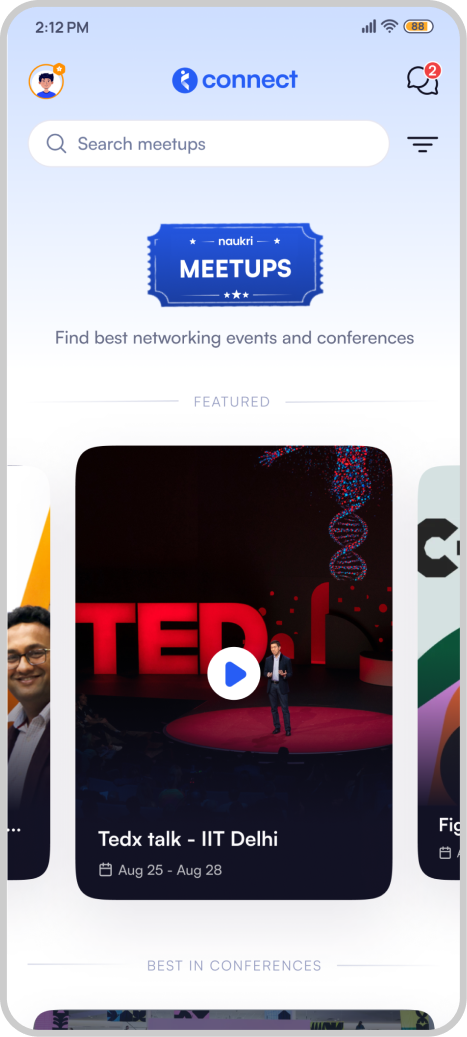
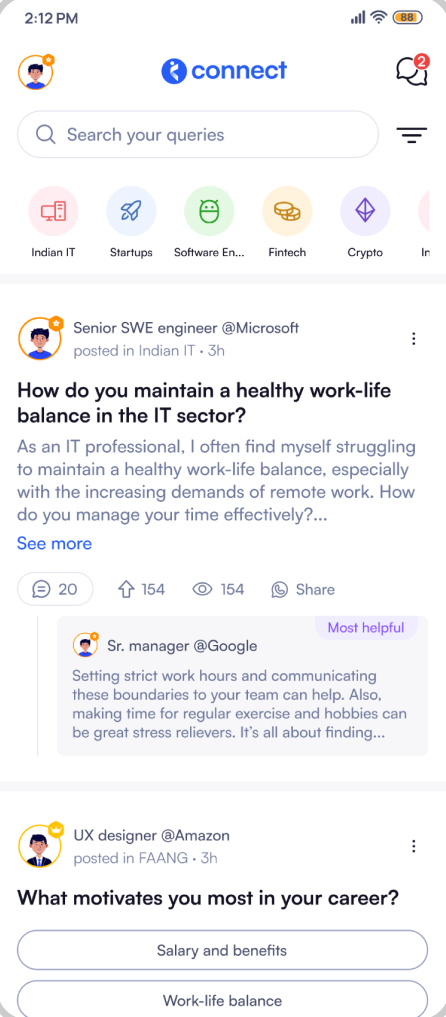
A community for all your needs
Connect gives jobseekers a reason to return beyond the job hunt: a place to ask, network, learn and find rare opportunities.
skipped on mobileTwo full-bleed feature posters for the community feed and the Insider zone. They are typeset for a wall, not a phone. The copy inside them stops being readable well before this width.
It all came together as a working prototype: enough to feel the experience and win the room.
What came of it
This was a concept, not a shipped feature, and it's honest to talk about it as one. The value was in what it unlocked next, not in a metric I can point to.
The gamification concepts were transformed into high-fidelity prototypes and presented to leadership and stakeholders.
The goal of that room was never to get a "yes" on gamification specifically: it was to show that engagement itself was worth Naukri's attention, and that this direction had legs.
This value-driven approach resonated: the project was integrated into Naukri's product strategy.
Not a launch, but a real institutional decision: the concept moved from "an intern's project" to something worth Naukri's product roadmap.Once the internship concluded, the project was handed over to a team of product managers and designers, who will continue building on the foundation I established.
Foundation, not final
What I left behind was a strong concept and framework, not a finished product.
Owned by product + design
A full-time team picked it up to carry it further than an intern timeline could.
Next stop: a PRD
Their next step is turning the concept into a PRD to actually implement the solution.
The most useful thing I did wasn't design: it was questioning the brief.
For an intern project, the real win wasn't a shipped feature: it was proving the direction was worth pursuing, and leaving something concrete enough for a team to actually build on.